In this guide
First establish why the material is wet. Repairing a leak, assessing affected materials and deciding on insulation work are related stages, but they are not the same job.
Work out whether the moisture source is known
“Wet insulation” describes the result, not the cause. Was it found after a known roof failure? Is there plumbing above the ceiling? Does moisture appear across a larger area during cold weather? Give the roofer the sequence of events and photographs taken before anyone moves material, if available.
Do not use the position of the wet patch as the sole basis for choosing an external repair. Ask what has been inspected and whether the diagnosis accounts for all the symptoms. If the explanation remains uncertain, it is better to agree the next investigation than to install a fresh layer and hope the problem has gone.
Use safe access, or leave the inspection to someone equipped
Do not enter a loft where the access is unsafe, the ceiling may be damaged or there is water near electrical equipment. Ceiling plasterboard is not a walking platform. Explain the concern when arranging the visit and let the contractor decide the appropriate access method.
Water-affected electrical installations need separate competent assessment. Electrical Safety First advises keeping clear of exposed wiring and obtaining professional advice before using affected equipment again. A roofing repair does not itself confirm that the electrical installation is safe.
[1]Assess the materials rather than choosing a universal rule
Ask which insulation product is present, how far the moisture extends and whether contamination, compression or visible deterioration is involved. The answer may differ across the loft. The contractor should explain which areas need further assessment, drying or replacement and which specialist advice is required.
There is no useful blanket instruction to “leave every wet roll to dry” or “replace the whole loft immediately” without looking at the actual material and conditions. Ask for the reasoning, photographs of the affected extent and a clear boundary between roofing work and the internal recovery work.
Wet material is also an energy-performance issue: Historic England explains that insulation’s thermal performance decreases as it becomes wet. That supports checking the affected insulation after the water source is addressed, rather than assuming a newly dry-looking ceiling settles the whole job. [4]
Do not fix one moisture problem by creating another
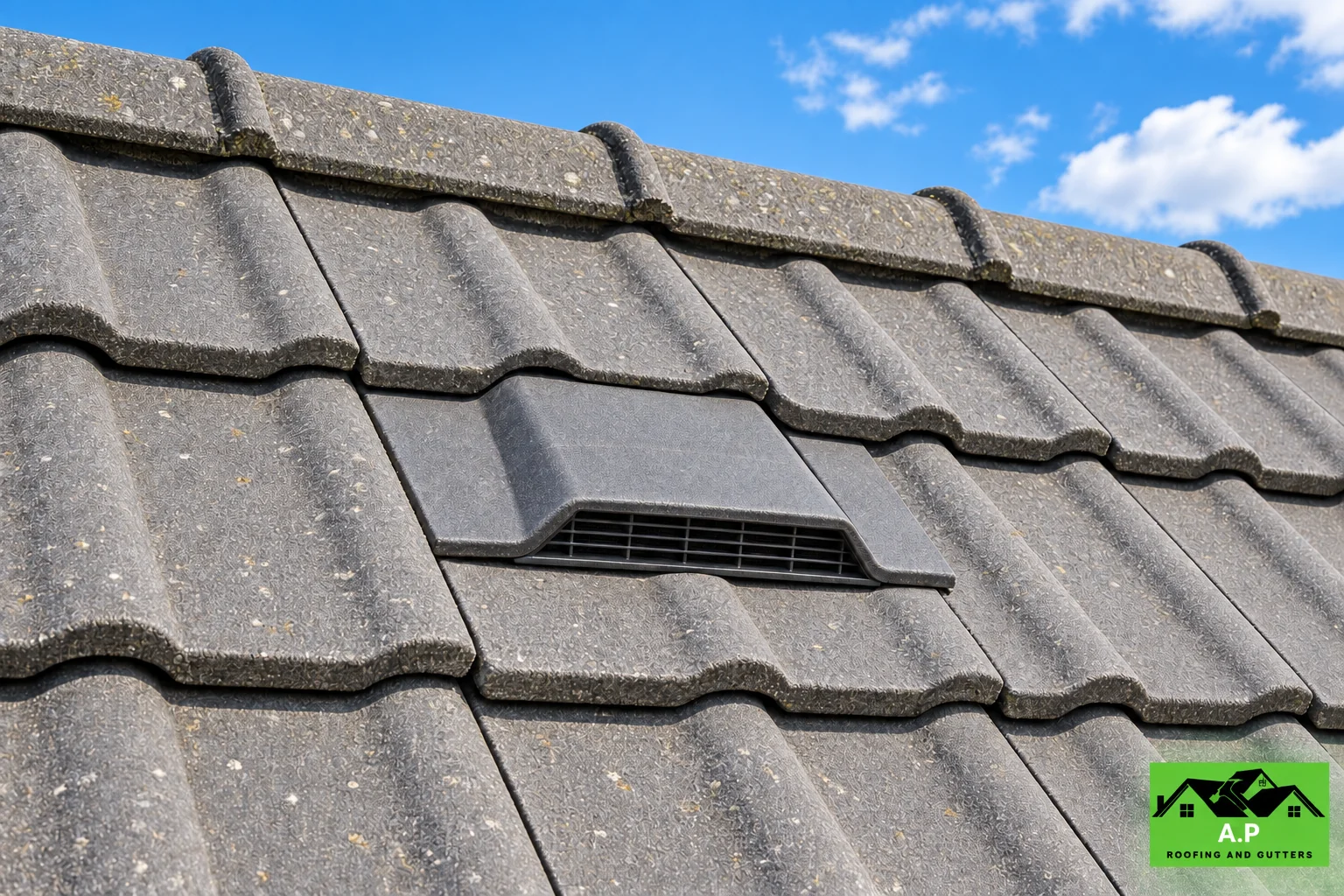
NFRC’s guidance on cold pitched roofs explains that condensation control requires a suitable ventilation strategy. Its warning about internal lap vents is particularly relevant when a quick retrofit is offered as a complete cure.
[2]Ask what evidence distinguishes the suspected condensation from rainwater entry. If the recommendation involves adding insulation or altering airflow, the proposal should explain how the existing roof build-up was considered. Moving a roll away from an opening may be one observation, but it does not replace a whole-roof diagnosis where the symptoms are widespread.
Agree what “ready for reinstatement” means
RICS stresses the condition of existing materials when making insulation changes. Bringing a roof into sound condition before retrofit work is a more dependable sequence than using new insulation to cover an unresolved defect.
[3]For your project, ask who confirms the repair is complete, how any affected timber or ceiling is assessed and what evidence is kept before the area is covered again. Discuss the loft hatch, storage boards and service routes at the same time. Those details are easier to resolve while the scope is open than after everything has been reinstated.
Keep a short follow-up record
Keep the original photographs and record the next significant rain or cold spell after the work. If moisture returns, note where it appeared and contact the contractor with that information. A follow-up visit can then compare the same area and conditions rather than starting with an uncertain memory.
For Crawley properties, AP Roofing can begin with the roof side of the investigation through our roof inspection service. If water is entering now, use our leaking roof service and describe the current symptoms. Be clear about whether you also need a separate quotation for insulation or internal repairs.
Your questions
Must all wet loft insulation be replaced?
The product, extent, contamination and condition need assessment. There is no reliable answer for every material without inspection.
Can I put new insulation over a damp area?
Have the source and affected materials assessed before concealing the area with new insulation.
Could a wet loft be condensation rather than a roof leak?
Yes. The cause needs investigation, especially if moisture is widespread or follows cold spells rather than rainfall.
Let’s look at your roof
Tell us what you have noticed and the property postcode. We will discuss access, the next step and a free estimate for the roofing work.
General homeowner guidance. Arrange an assessment of your own roof before choosing repairs or changing its insulation.