Roofing for homes and properties in Crawley
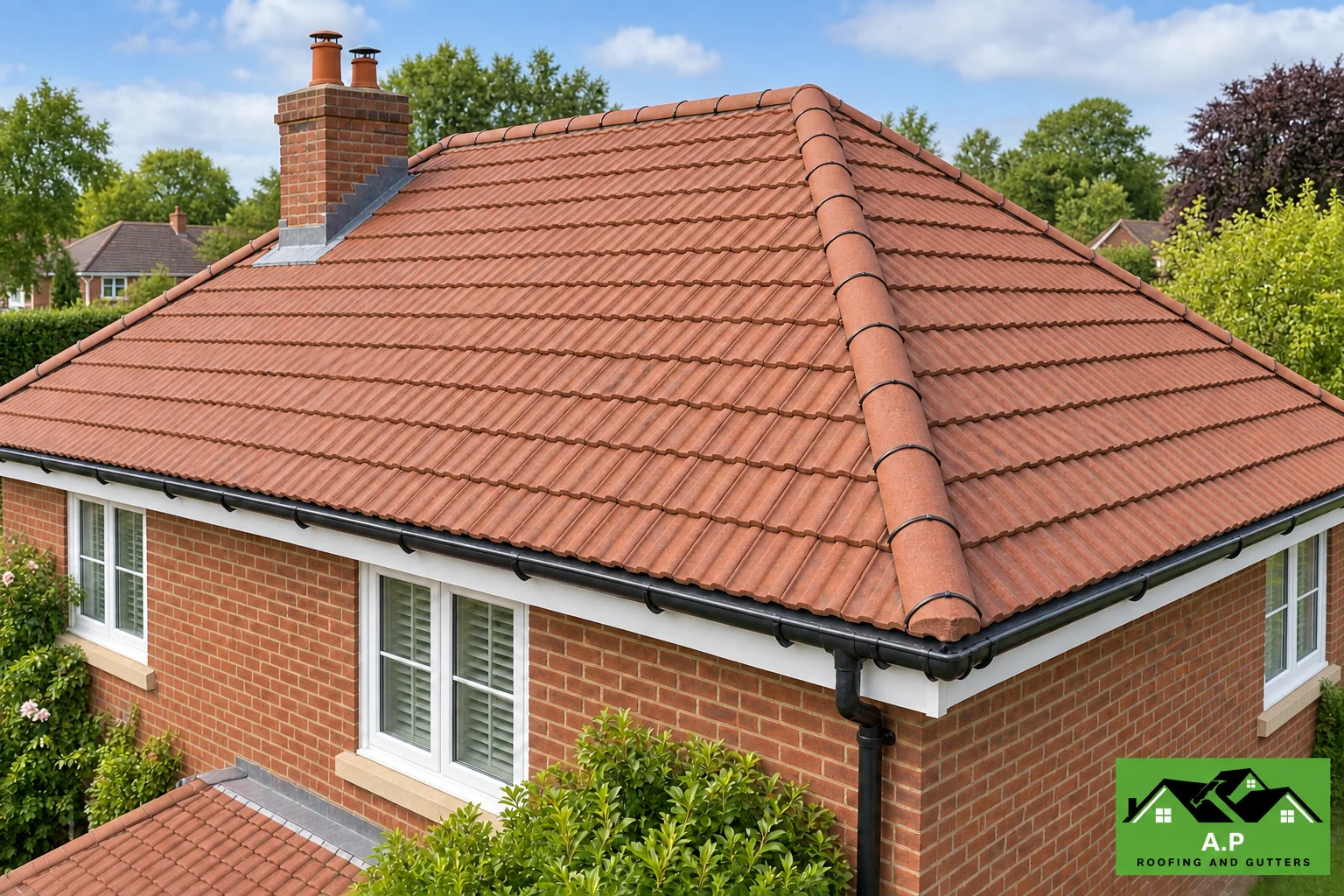
Crawley's housing is varied. The post-war neighbourhoods contain large numbers of tiled pitched roofs, while garages, extensions, dormers and commercial buildings bring plenty of flat-roof work into the mix. Older pockets such as Ifield, Worth and parts of the town centre also need more care around traditional materials, chimneys and alterations. Crawley Borough Council identifies designated conservation areas, so changes to the external appearance of some properties can need extra thought before work starts.
The town's planned-neighbourhood layout also means roof types often repeat street by street. That can be useful when matching common tile profiles or diagnosing age-related problems, but we still inspect the individual roof rather than assuming yours is identical to next door.
Local planning note
Roof repairs do not all require planning permission, but listed buildings, conservation areas and changes to roof shape or appearance can have extra controls. For the current position, see Crawley Borough Council conservation-area guidance.
Roofing jobs we handle around Crawley
Leaking tiled and slate roofs
Flat roof repairs on garages and extensions
Storm-damaged tiles and ridges
Chimney flashing and repointing
Complete reroofing
Gutters, fascias and soffits
Leadwork and roof junctions
Roof ventilation and insulation work
Find the roofing service you need in Crawley
Choose the work you need below, from a small repair to complete replacement. Each page explains the local service and what to expect when arranging an estimate.
Parts of the area we regularly cover
Ifield, Pound Hill, Maidenbower, Three Bridges, Tilgate, Furnace Green, Southgate, Northgate, West Green, Langley Green, Gossops Green, Broadfield, Bewbush, Worth, Forge Wood. If you are just outside these places, send us your postcode; the list is not a hard boundary.
What to tell us when you call
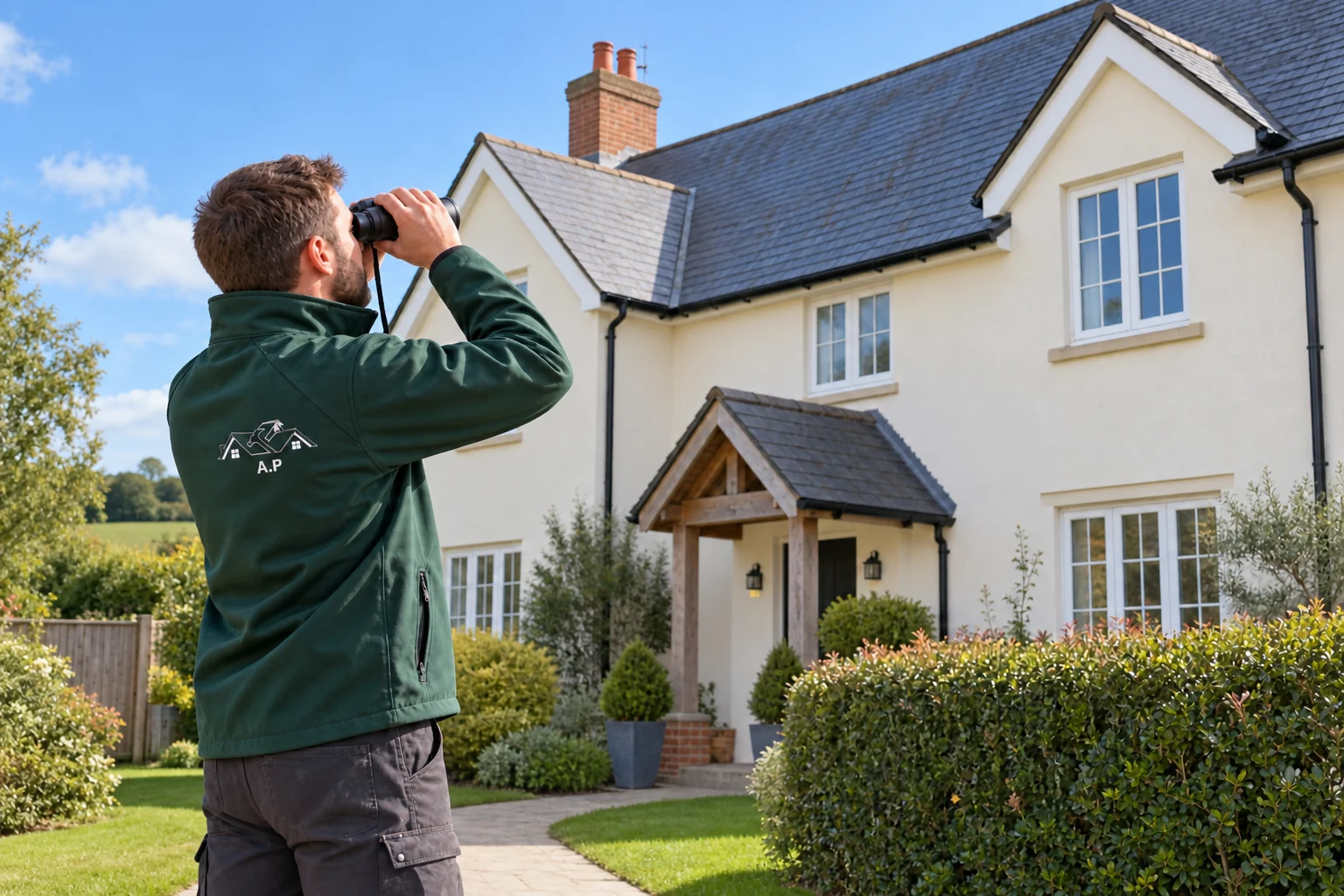
The most useful starting information is simple: what you noticed, when it happens, the property postcode and whether the roof is flat, tiled or slate if you know. A couple of ground-level photos can help us prepare, but do not climb onto the roof to get them.
Nearby areas
Roof repairs across RH10 and RH11
A slipped tile in Ifield, a leaking extension in Maidenbower and a chimney problem in Three Bridges may all begin with a damp ceiling, but the repair method depends on the actual roof. We inspect the covering, junctions and drainage around the fault and explain whether it is isolated. Small permanent repairs, larger sectional work and complete replacement are different options. The useful first step is a diagnosis and a defined scope, rather than assuming that a visible leak means the whole roof has failed.
Flat roofs for garages, extensions and dormers
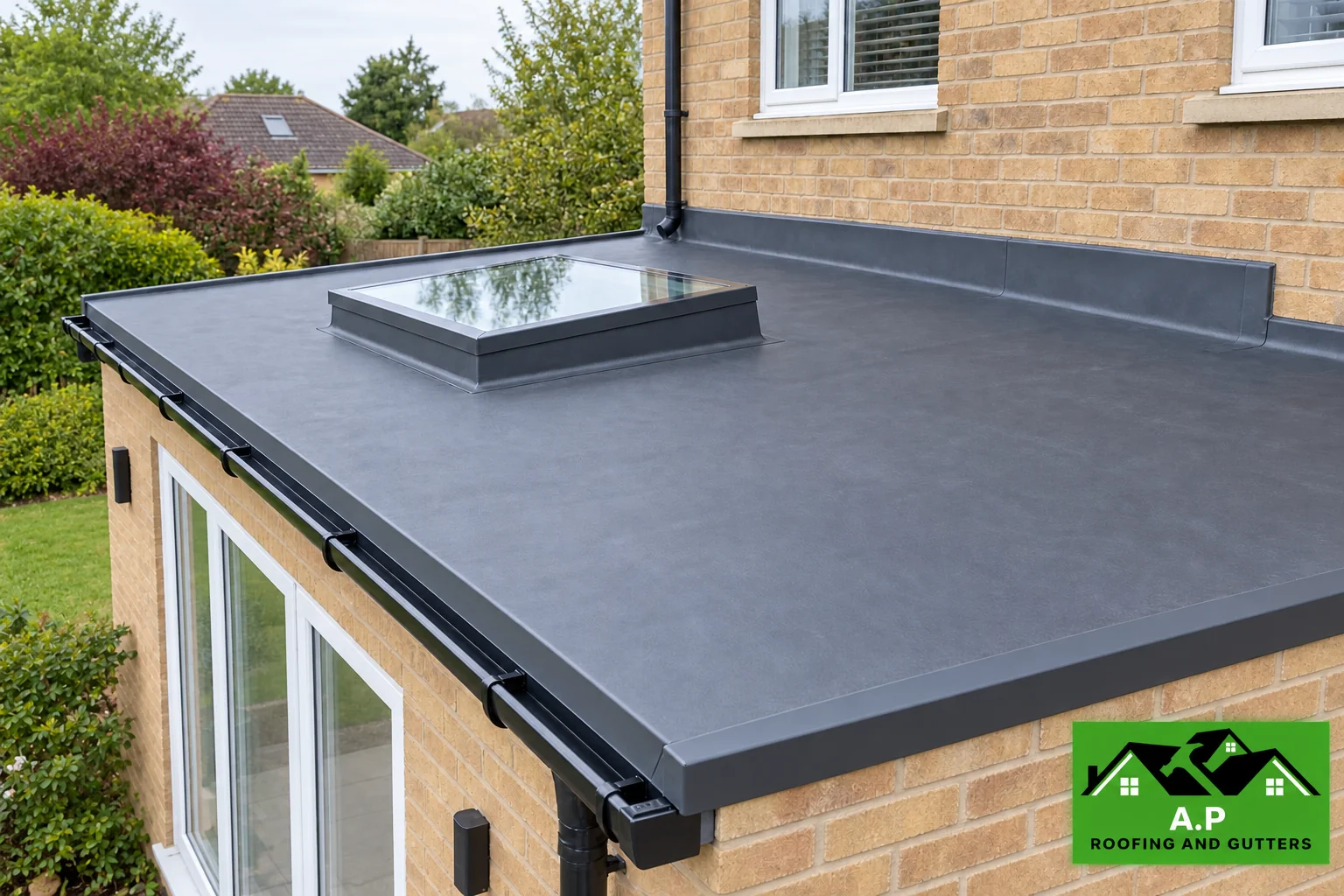
Crawley properties often combine a pitched main roof with lower flat areas. We assess the deck, falls, outlets, wall junctions and any rooflights before selecting EPDM, GRP or felt. A heated extension also needs an appropriate insulation and vapour-control strategy. If an old roof holds water at a low edge, simply applying a new covering may leave the drainage problem in place. Our flat-roof guide explains the options, while an inspection establishes which is suitable for your building.
New roofs with a complete specification
Reroofing should consider the layers beneath the visible tiles or slate. We discuss underlay, battens, insulation, ventilation, chimneys, valleys and the roofline, together with scaffold access and temporary protection. Material choice should suit the pitch, structure and appearance of the property. On an attached house, the junction with the neighbouring roof also needs a clear detail. A useful quotation identifies what is new, what is retained and what may need further assessment once the covering is lifted.
Booking a Crawley roofing estimate
Call with the postcode, the roof type if known and a short description of the problem. Let us know whether water is entering now, whether anything is loose and if access is restricted by an extension or conservatory. Ground-level photographs can help us prepare. We confirm the next step and availability directly. For planned work, bring any existing roof paperwork or details of changes you are considering so the inspection can cover the decisions that matter.