Roofing for homes and properties in Reigate
Older and character properties deserve careful material choices, particularly where slate, clay tiles, chimneys and visible leadwork form part of the building's appearance. The local authority publishes guidance for conservation and listed buildings where extra controls may apply.
Where an old roof is still broadly sound, a sympathetic local repair is often preferable to unnecessary replacement. We will tell you when that is the case.
Local planning note
Roof repairs do not all require planning permission, but listed buildings, conservation areas and changes to roof shape or appearance can have extra controls. For the current position, see Reigate & Banstead planning and conservation information.

Roofing jobs we handle around Reigate
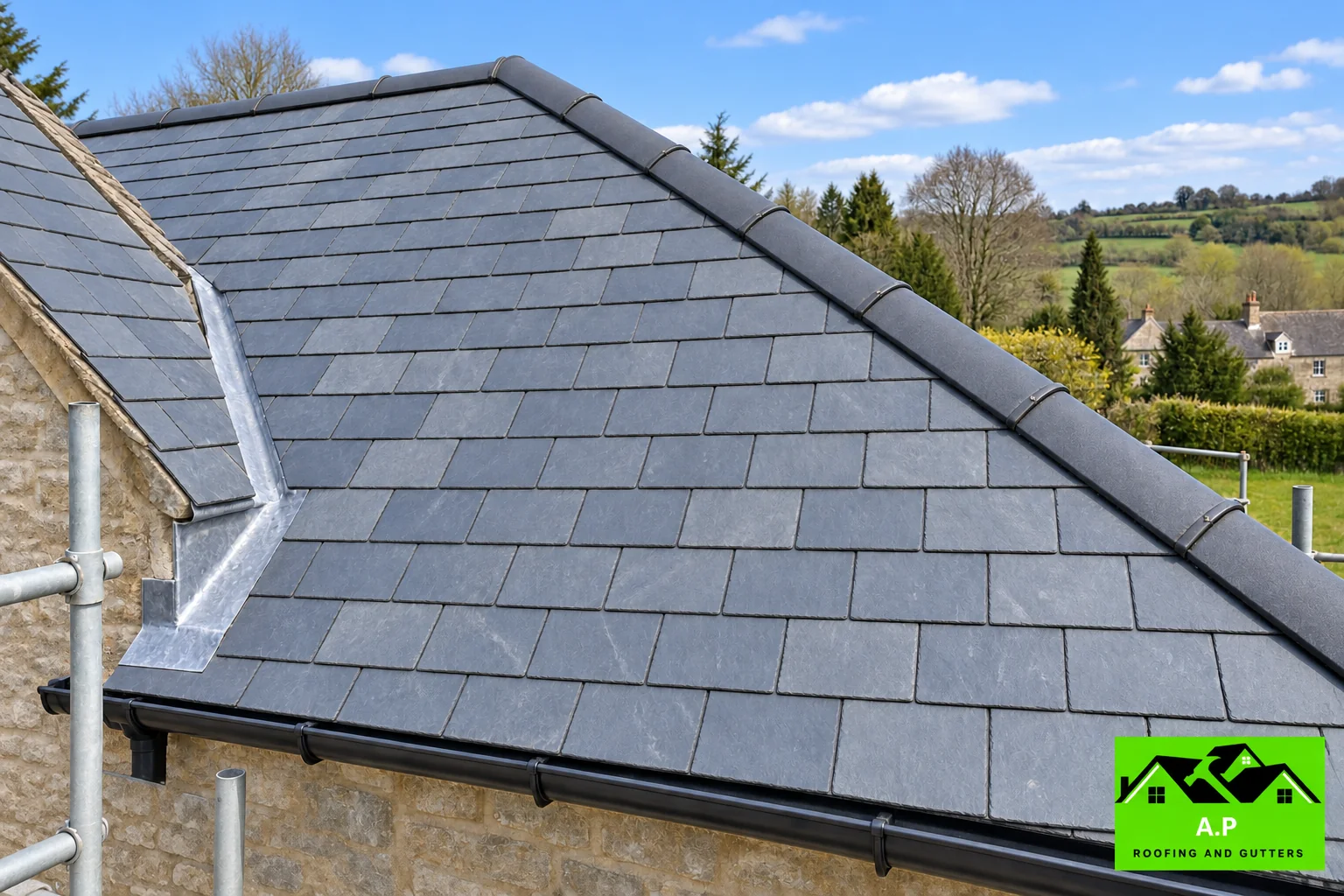
Slate repairs
Tile repairs
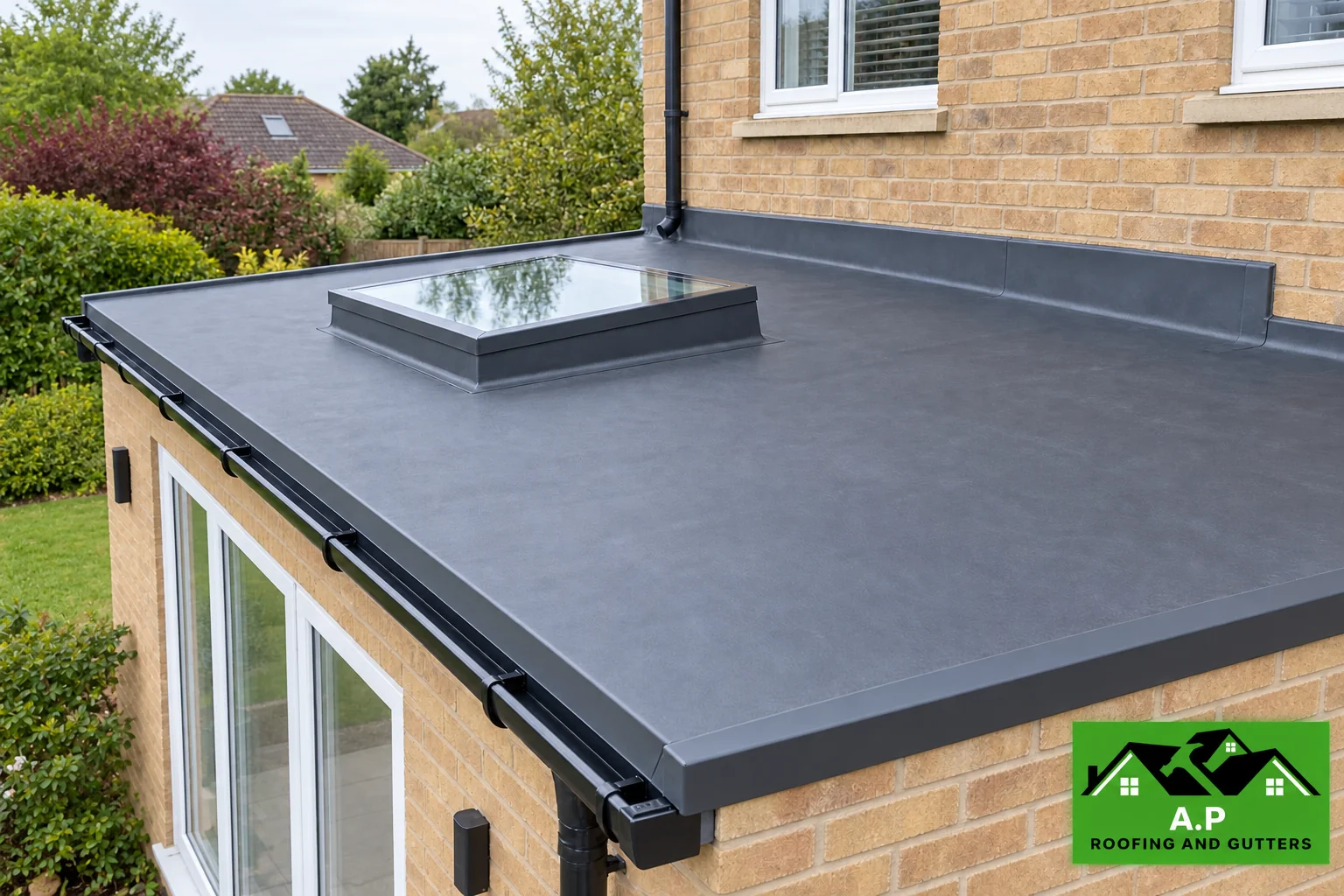
Flat roofing
Chimney and leadwork
Guttering
New roofs
Parts of the area we regularly cover
Reigate, Woodhatch, South Park, Redhill, Earlswood. If you are just outside these places, send us your postcode; the list is not a hard boundary.
What to tell us when you call
The most useful starting information is simple: what you noticed, when it happens, the property postcode and whether the roof is flat, tiled or slate if you know. A couple of ground-level photos can help us prepare, but do not climb onto the roof to get them.
Nearby areas
Preserving a roof’s proportions and character
Slate size, tile profile, ridge shape and visible leadwork all influence how a roof looks on a Reigate property. A replacement should be chosen for the roof geometry and building setting, not just a sample colour. If a local repair is enough, we aim to retain sound fabric and fit a compatible detail. Where permissions or conservation controls apply, those need to be understood before a material change is agreed.
Chimneys need more than a seal around the base
The top of the stack, mortar joints, pots and surrounding flashings can each contribute to damp. Water may travel through masonry and appear below sound-looking leadwork. We assess the stack and roof connection together, separating the proposed pointing and weathering tasks. Structural cracking or instability needs a different response from routine repointing and should not be hidden by a cosmetic finish.
Later extensions and roof alterations
An older main roof and a modern extension may meet at an awkward level below windows or existing eaves. The connection, drainage and available upstand height determine the practical waterproofing options. If insulation is being added, the extra build-up must be considered at those edges. We explain whether local repair, a redesigned junction or full renewal is the more appropriate way to resolve the fault.
Making a useful repair plan
A survey should identify urgent defects, work that can be coordinated and areas that remain serviceable. Repeated access for separate small jobs can affect the economics, but that does not justify replacing sound material. We set out a defined scope and any uncertainties about concealed layers, so you can decide with a clear understanding of the work proposed.