
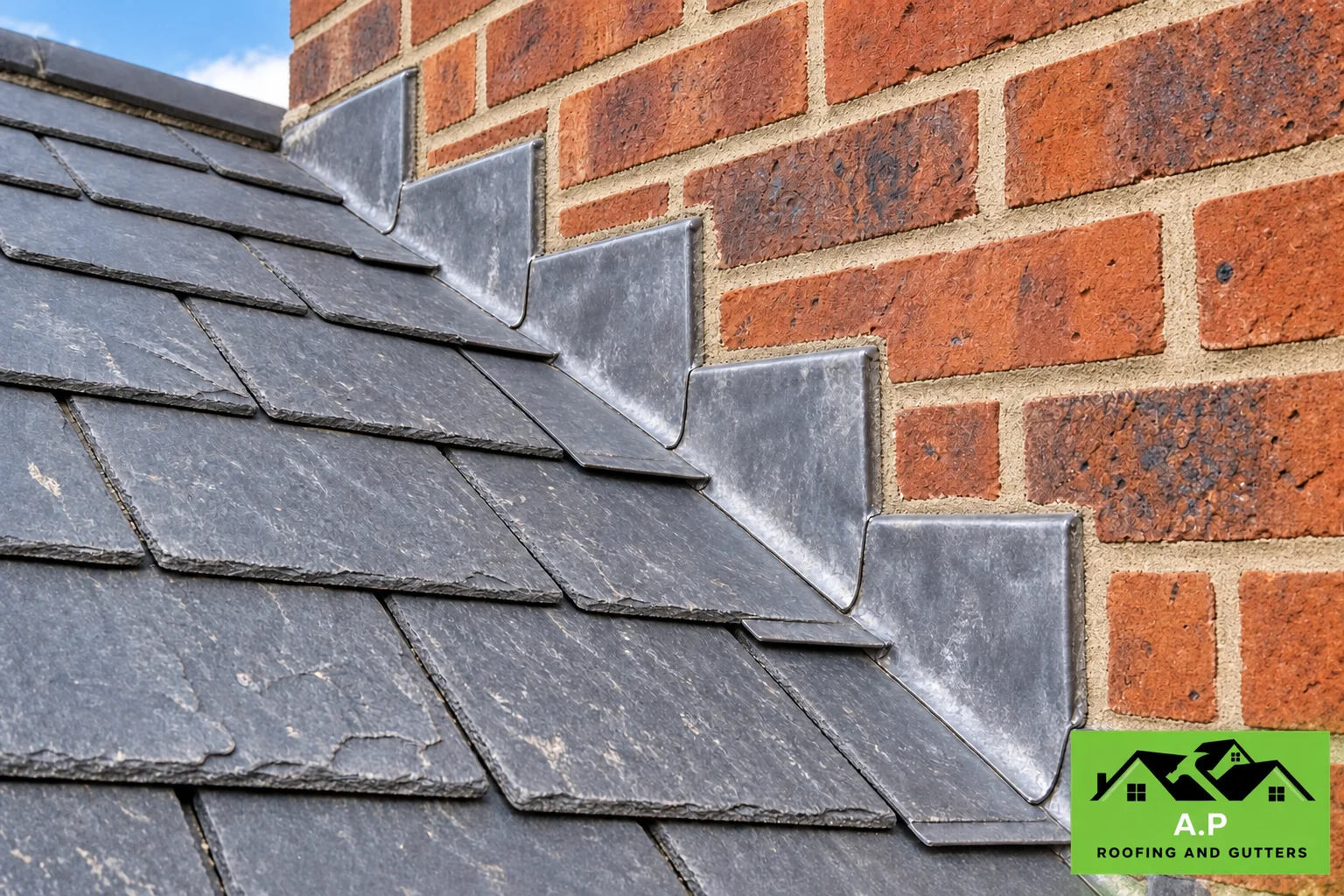
Lead is a weathering material for difficult junctions, with sheet dimensions, support and movement designed into the detail.
Where lead is used
Lead can form aprons around chimneys, stepped flashings at walls, individual soakers, valleys and other weatherings. Each detail has a particular job in collecting or deflecting water. The visible strip is not always the full system; concealed soakers or a back gutter may be equally important. A useful inspection establishes how the pieces work together.
Thickness is not the whole specification
Lead sheet is supplied in different code weights. The appropriate choice depends on the application, dimensions and supporting detail. Thicker lead does not compensate for restricted movement or an oversized piece. The specification should identify a suitable arrangement for the junction, with the guidance for that application used to establish laps, fixing and support.
Allowing for movement
Lead expands and contracts as temperature changes. Joints and fixings need to hold it in position while allowing the intended movement. Long continuous sections or rigidly restrained corners can develop fatigue cracks. When a split is repaired, its cause should be assessed so the same detail is not simply recreated beneath a fresh surface.
The substrate and wall connection
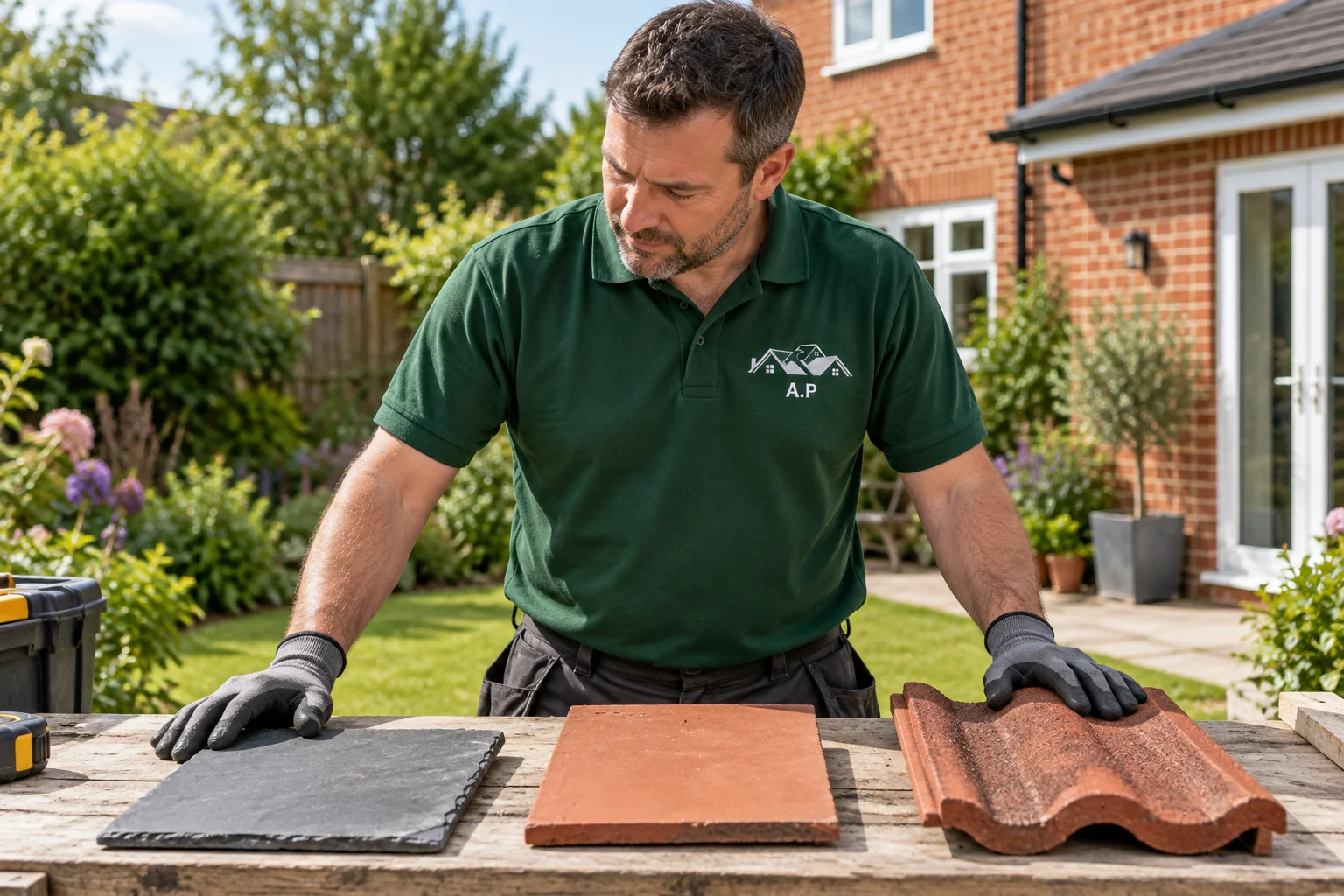
Leadwork needs suitable support and a reliable connection to adjacent masonry or covering. Rotten timber, loose mortar or poorly formed chases can undermine new weathering. At a tiled or slate abutment, the laps need to return water onto the roof surface. The supporting repair and the lead renewal should be described separately when both are required.
Repair, renewal and alternatives
Local repair may be appropriate where surrounding lead is sound and the detail can be restored. Widespread fatigue or poor original geometry may require replacement. Proprietary alternatives have their own installation and compatibility requirements and should not be treated as interchangeable by appearance alone. We discuss the material proposed and why it suits the roof.
Appearance and aftercare
New lead develops a weathered surface over time and may initially differ from retained material. The finished detail should be judged by its shape, support and drainage rather than colour alone. Keep the scope and photos of renewed sections, and avoid later fixings or sealants that restrict movement or compromise the weathering.