
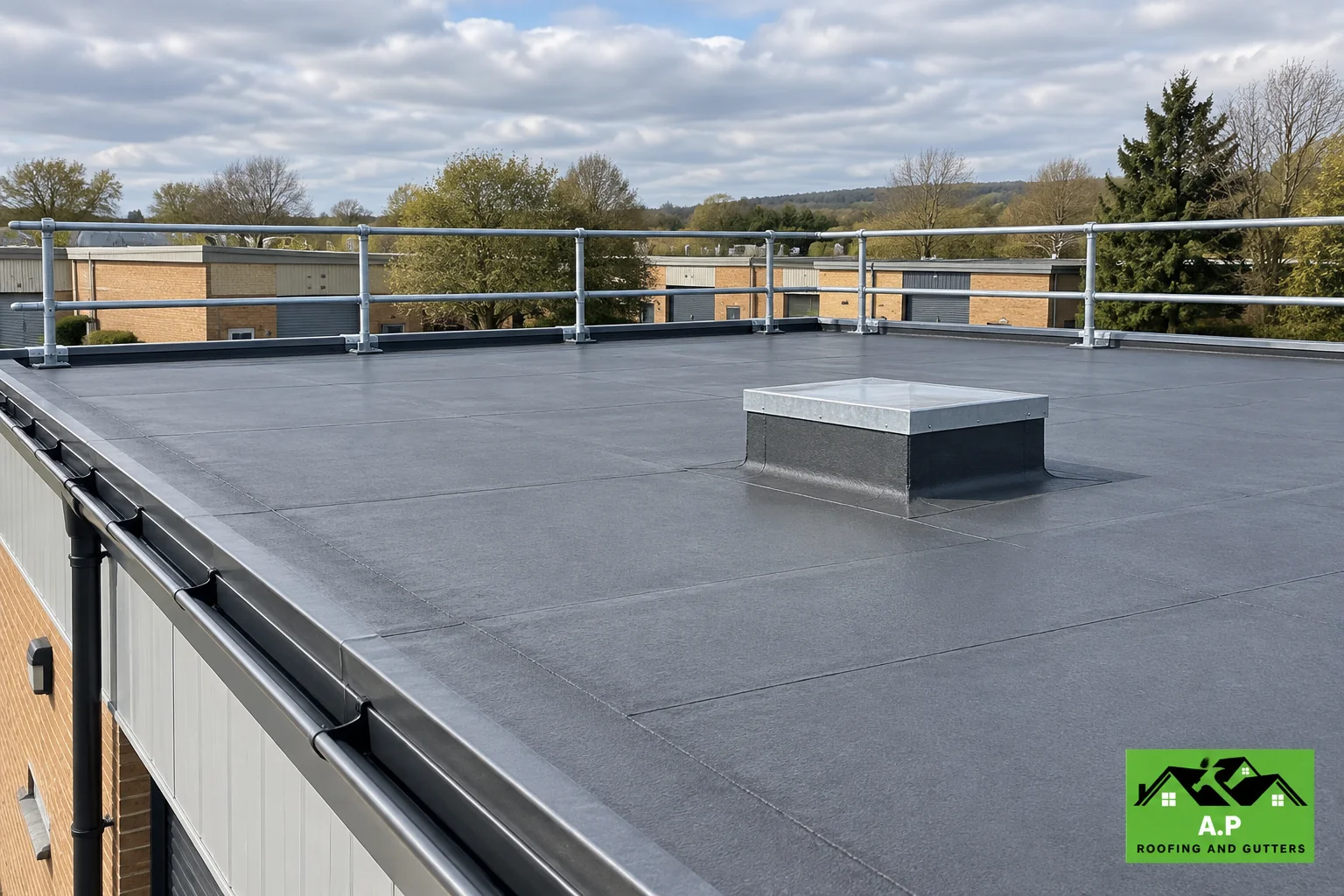
Reinforced bituminous roofing for domestic and commercial flat roofs, specified as a complete multi-layer system.
Modern felt is more than a shed covering
Reinforced bituminous roofing systems use compatible layers designed for the roof and installation method. They are used on extensions, garages and larger buildings, with details formed at edges, outlets and penetrations. A product sold for a small outbuilding should not be assumed equivalent to a specified multi-layer roof system. The covering and supporting build-up need to be described clearly in the quotation.
Selecting an installation method
Systems may use different bonding or fixing methods, and the appropriate choice depends on the substrate, design and site constraints. Where heat is involved, the working method and fire precautions are a material part of planning. Flame-free options may be relevant in some circumstances. The specification should identify the system and method rather than leave “felt roof” as an undefined description.
Why laps and edges matter
The layers must form a continuous water-shedding detail, with correct preparation at joints and terminations. A failed edge or outlet can leak even when the open roof surface appears sound. Rooflights, parapets and wall junctions should be incorporated into the system. Drainage needs attention so water is not repeatedly held against a vulnerable detail.
Refurbishment and overlays
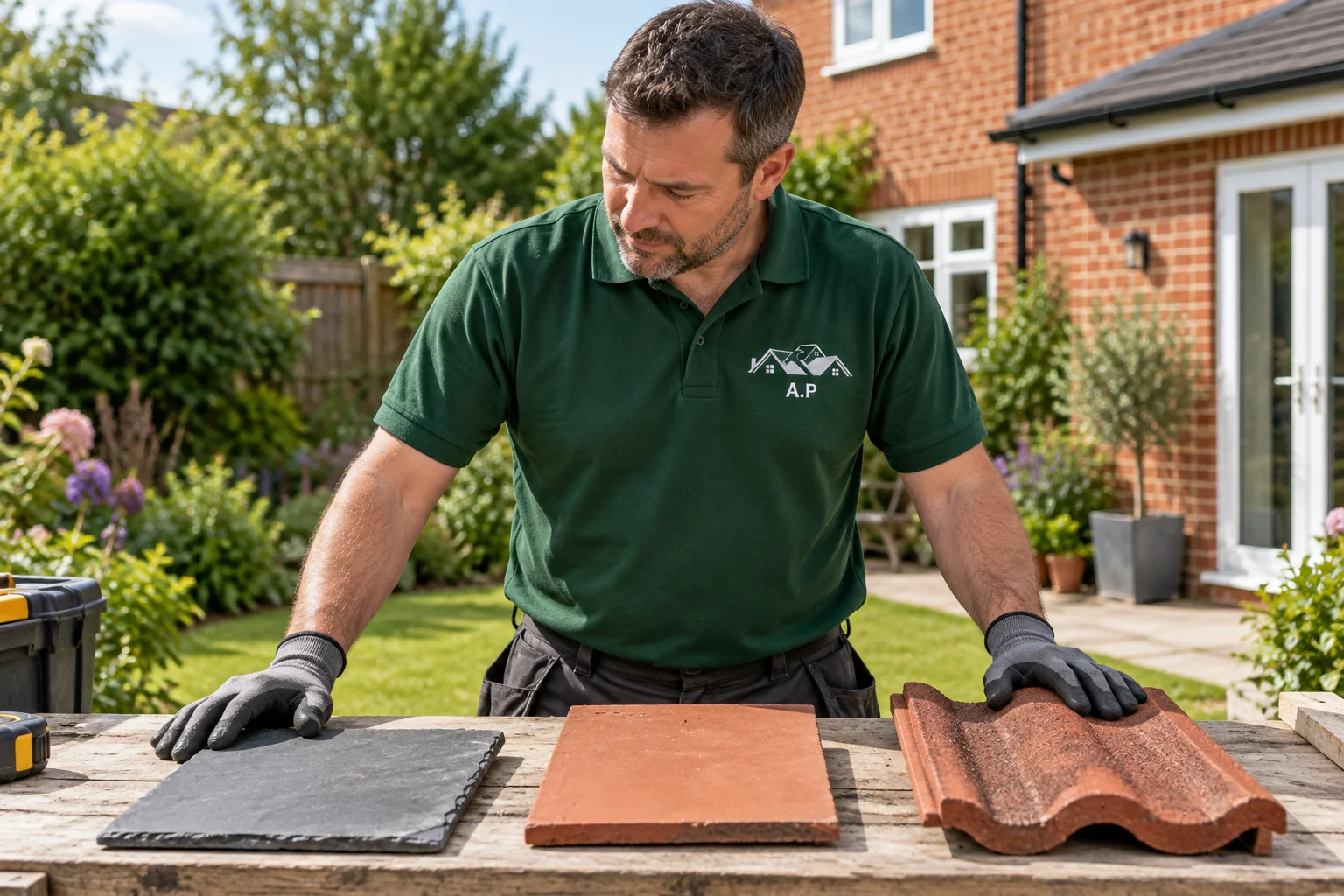
An overlay can be suitable when the existing roof has been assessed and the retained layers provide an appropriate base. Moisture, adhesion, deck condition, fire performance and finished roof heights need consideration. Covering brittle or wet material without a designed approach may simply hide the deterioration. The reason for retaining layers should be clear in the proposed work.
Repairing older felt roofs
An isolated split or damaged detail may be repairable when surrounding material remains serviceable. Widespread cracking, repeated blistering or deck movement can point towards replacement. A repair should use a compatible system and restore the detail rather than rely on a generic coating across an unknown surface.
Maintenance and paperwork
Keep outlets accessible, avoid unnecessary foot traffic and arrange safe checks suited to the roof. Record the installed system and any conditions attached to its guarantee. A product warranty, installation guarantee and expected lifespan describe different things, so compare the written cover as well as the price.